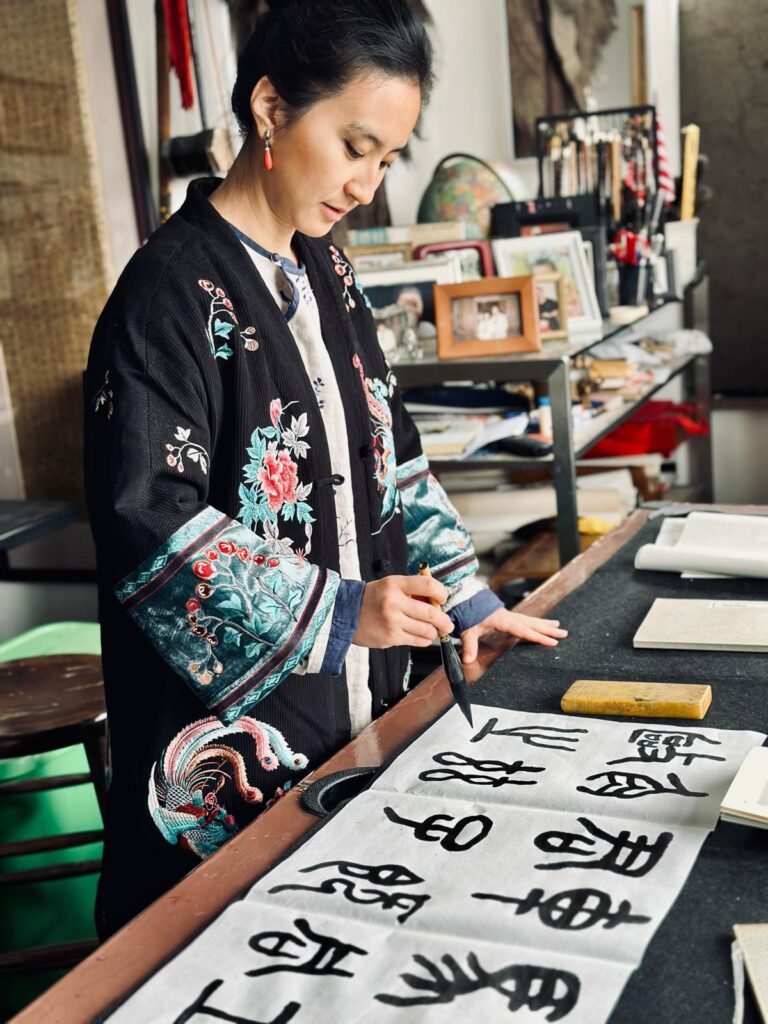
In Chinese philosophy, water represents adaptability, intelligence, and quiet strength.
海纳百川,有容乃大. An ocean does not compete with rivers. It receives them.
Greatness lies in capacity.
The three waters also reflect my lineage.
For three generations, my family were Chinese ichthyologists and ecologists — foundational figures in freshwater science.
They studied lake, rivers, balance, ecosystems, and survival structures.
They worked with natural systems. I work with digital and cultural systems.
The continuity is not symbolic. It is structural.
Flow must be understood. Balance must be engineered.
Endurance must be designed.
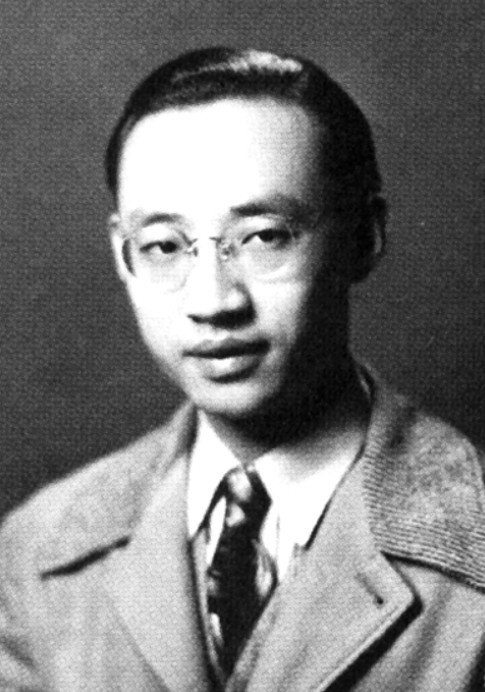
Liu Jiankang 刘建康 (1917–2017)
My Grandfather
Liu Jiankang (1917–2017) stands as a towering figure in Chinese ichthyology and freshwater ecology. As a founder of modern freshwater ecology, he transformed species study into a sophisticated science of ecosystems. In 1944, his groundbreaking discovery of sex reversal in rice-field eels revealed the natural female-to-male transition, a cornerstone of vertebrate reproductive biology.
Leading the Institute of Hydrobiology for decades, Liu guided generations of scholars, publishing over 100 influential works. His meticulous research on respiration mechanisms, conservation of aquatic biodiversity, and public intellectualism cemented a legacy of enduring insight and structural elegance, echoing the delicate balance of China’s freshwater systems.
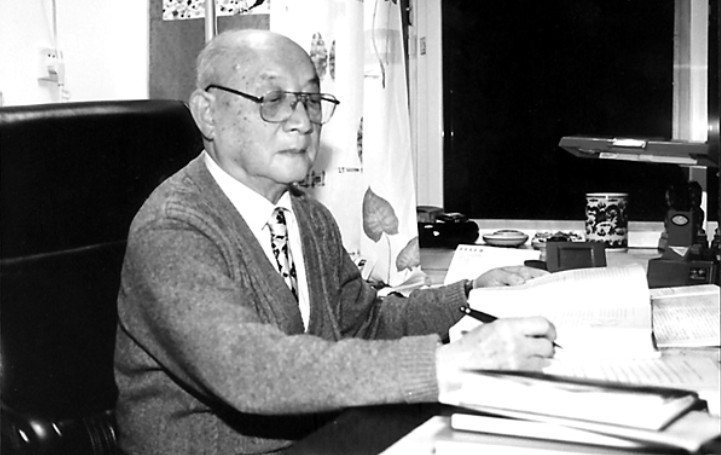
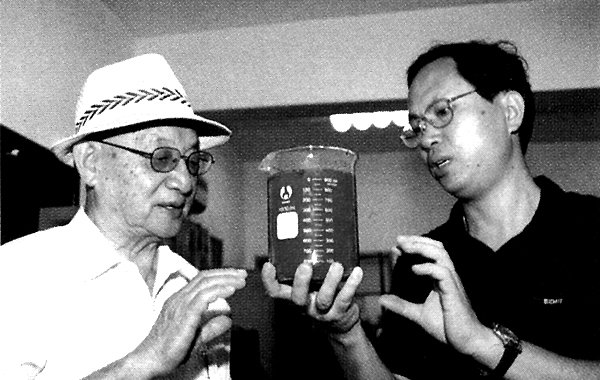
A recent picture of the academician
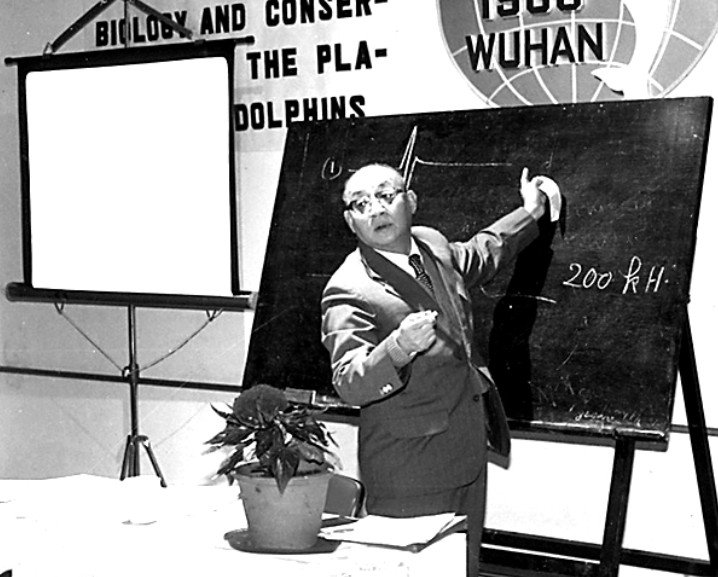
Academician Liu Jiankang at the International Conference on Freshwater Dolphins in October 1986.
In June 2003, an algal bloom appeared in East Lake, and Academician Liu Jiankang and his students conducted research on it.
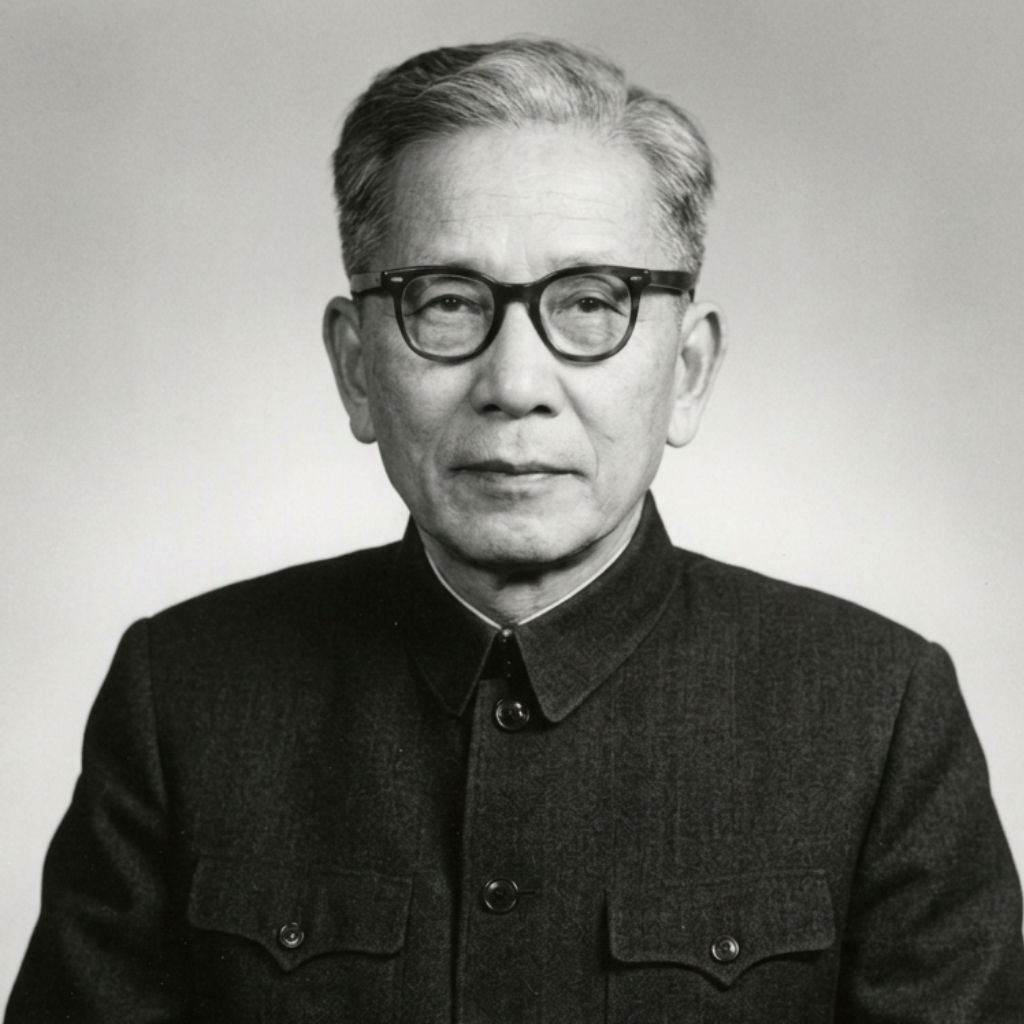
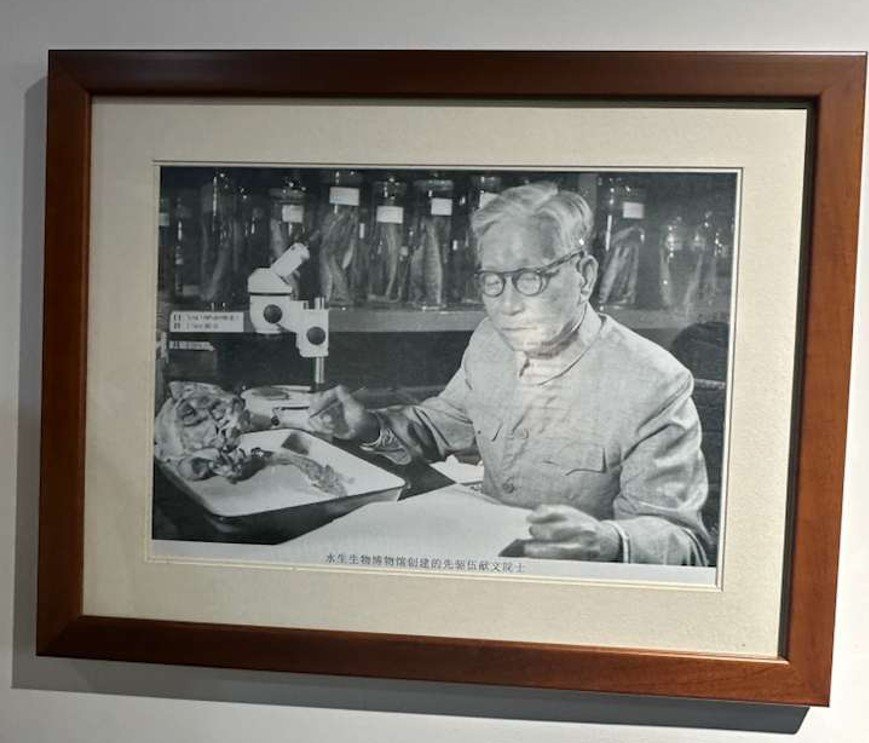
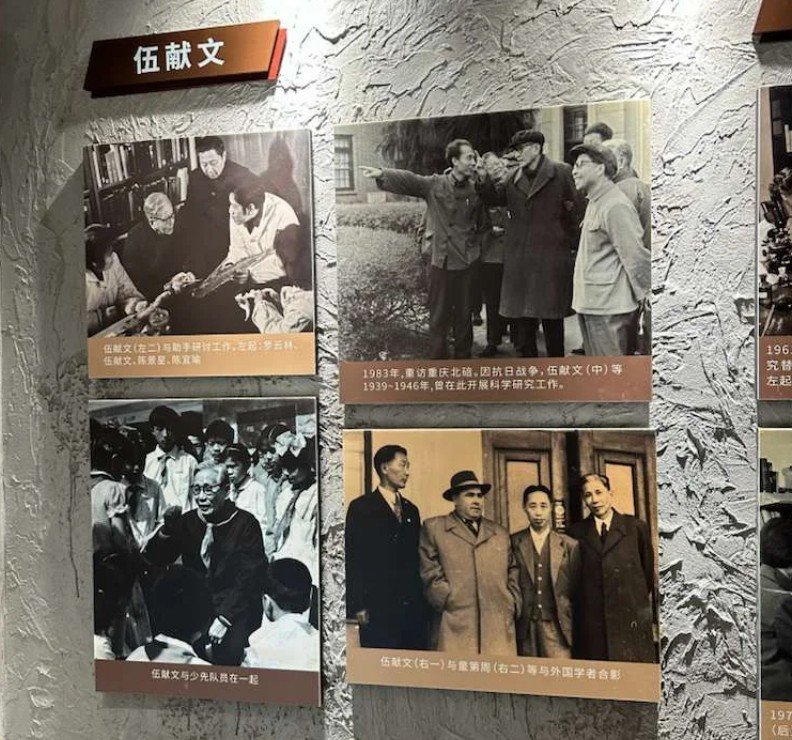
Hsien-wen Wu 伍献文 (1900-1989)
My Great Grandfather
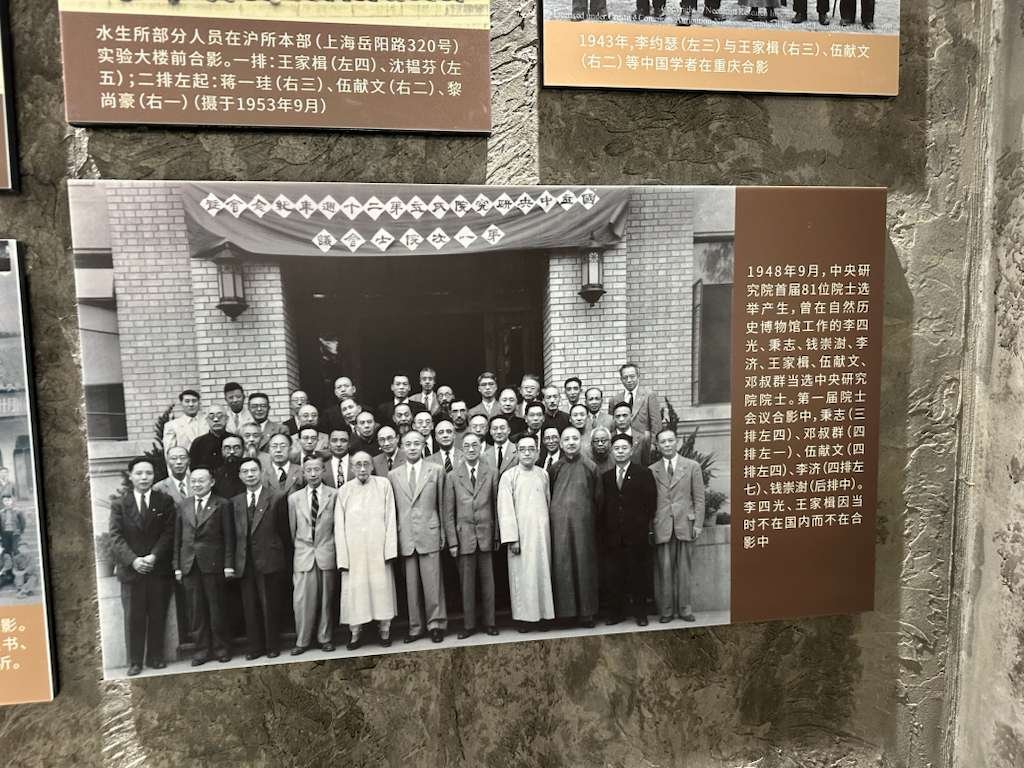
Born in 1900 in Rui’an, Zhejiang, Hsien Wen Wu was a visionary in ichthyology whose work seamlessly bridged scientific rigor and intellectual elegance. Educated at Nanjing Higher Normal School, Wu’s path shifted from agriculture to zoology under the influence of Bing Zhi. He taught at Xiamen University and National Central University, publishing seminal studies on Chinese freshwater fishes, before earning a doctorate at the Université de Paris. Returning to China, he shaped the National Museum of Nature, Academia Sinica, and later the Institute of Aquatic Biology in Wuhan, guiding generations of scholars.
Wu’s magnum opus, The Cyprinid Fishes of China, exemplifies meticulous scholarship and aesthetic precision, completed despite persecution during the Cultural Revolution. His legacy is one of enduring structure, balance, and insight—a foundation of knowledge, echoing through the rivers and ecosystems he so reverently studied.